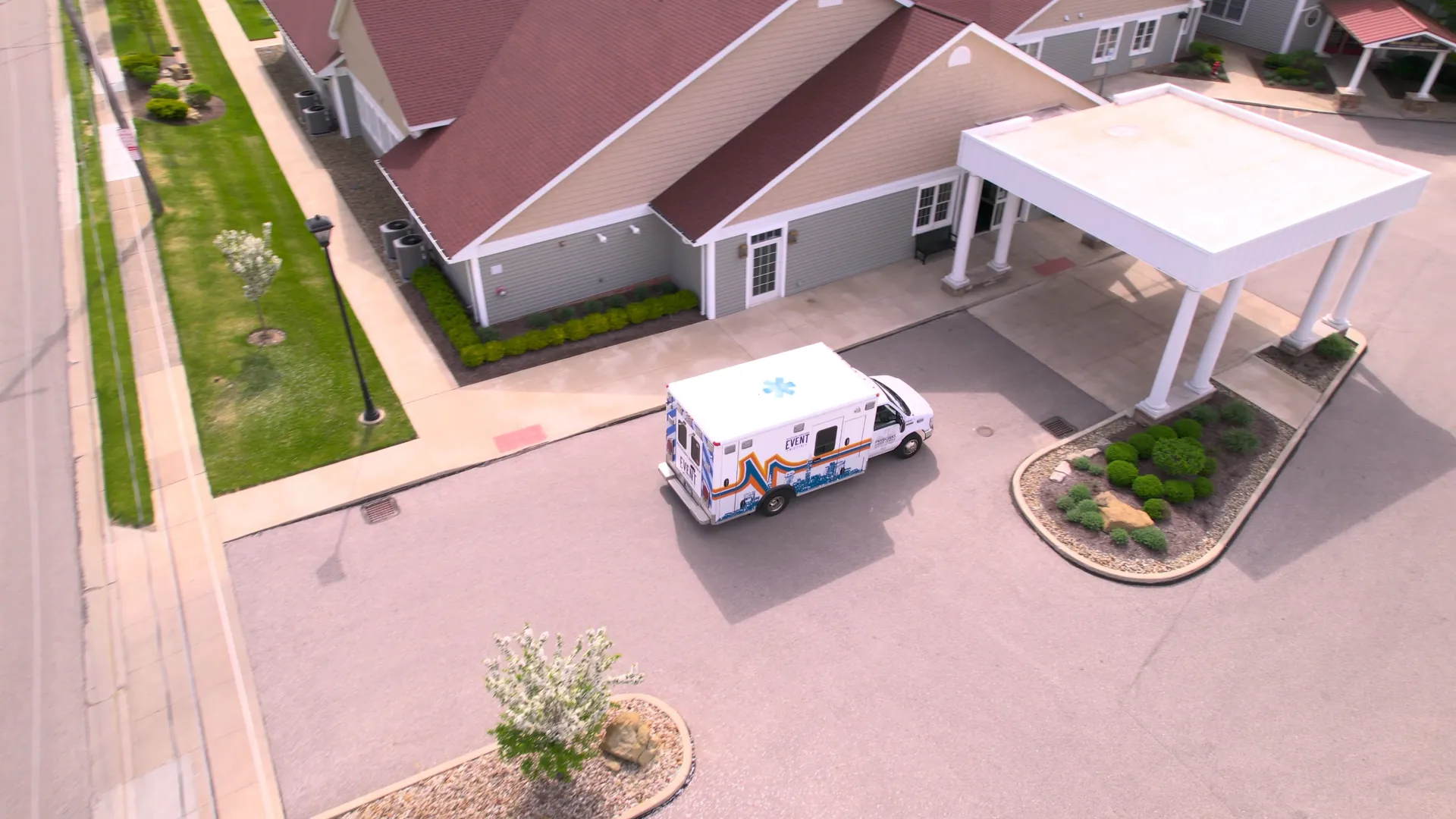
You're holding a discharge order for a vent patient. The clock is ticking. The right post-acute placement is the single biggest variable in whether this patient comes back in 30 days.
Placing a patient with respiratory needs is one of the harder decisions on a discharge planner's desk. Ventilator, tracheostomy, and high-flow oxygen patients carry a meaningfully higher readmission risk — particularly when post-acute coverage isn't continuous.
The single most reliable predictor of a successful placement is continuous respiratory oversight after discharge.
Where placements fall short
Facilities that rely on any of the following often experience delayed response and condition escalation:
- On-call respiratory therapists
- Limited coverage hours (e.g., daytime only)
- External or contracted respiratory providers
Each of those introduces lag. Lag is where a manageable change becomes a transfer back to acute care.
What 24/7 on-site respiratory care provides
- Immediate intervention for changes in condition
- Continuous monitoring and treatment adjustments
- Reduced reliance on emergency transfers
- Greater patient stability across the post-acute stay
This model supports both clinical outcomes and the hospital performance metrics tied to readmissions.
How Briar's Breathe Easy program supports your discharges
At Ohman Family Living at Briar, the Breathe Easy program is structured for this exact use case:
- Around-the-clock on-site respiratory therapy
- Documented experience with vent, trach, and high-flow oxygen patients
- A stable, long-term-capable environment for patients who may not return home quickly
- Seamless coordination with hospital care teams during and after admission
For discharge planners managing complex respiratory caseloads, consistent on-site respiratory support isn't a perk. It's the placement criterion that most affects 30-day readmission. You can read more about structured coordination with the referring hospital and how we manage the transition.